Amboseli National Park, formerly the Maasai Amboseli Game Reserve, protects 39,206 hectares of the most spectacular ecosystem in East Africa. Its name derives from the Maasai word Empusel, meaning "salty dust place." Geologically, the park preserves the basin of a dried-up Pleistocene lake, creating a unique hydrology where Mount Kilimanjaro’s meltwater emerges as crystal-clear sulphur springs.
Ecological Significance
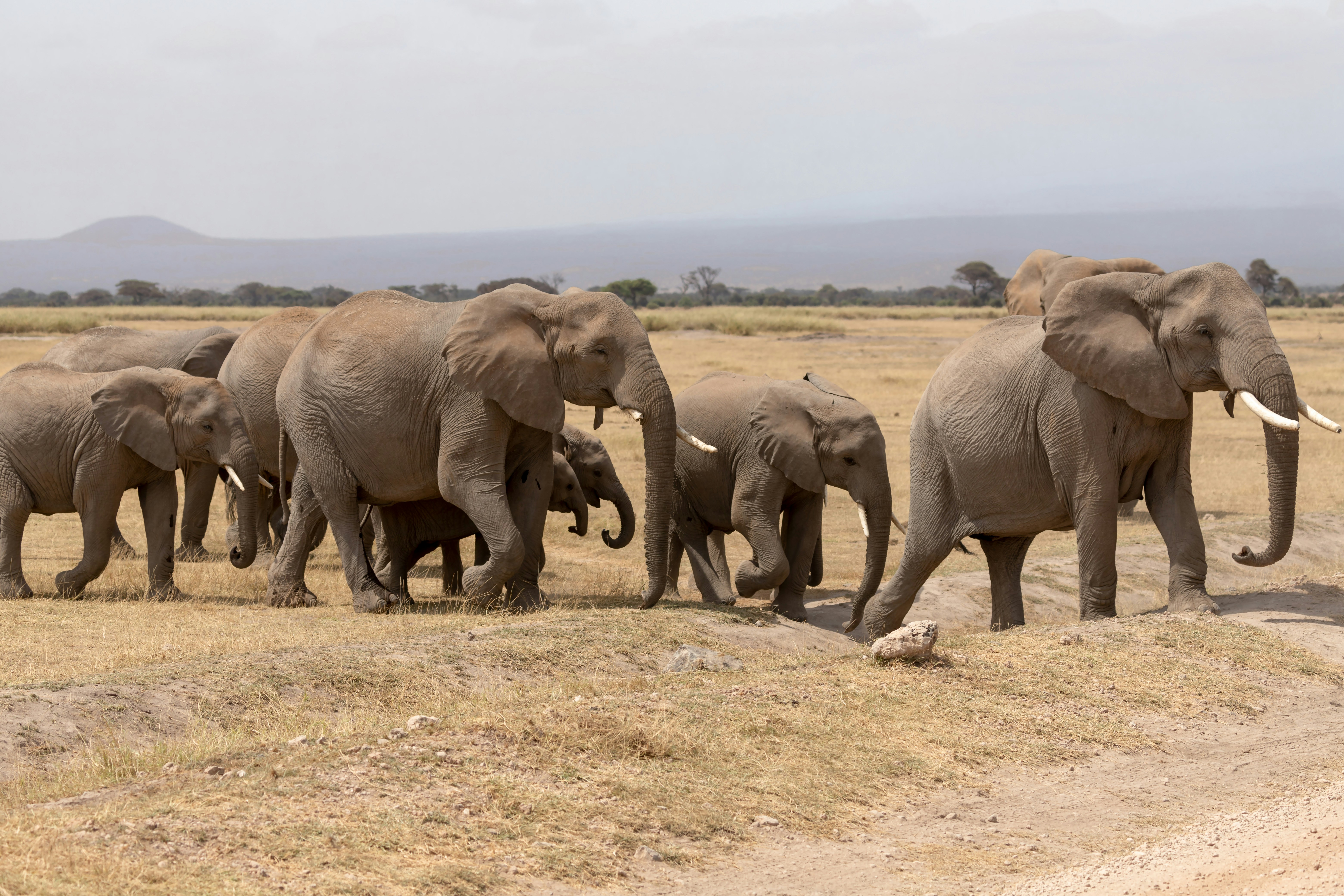
Amboseli is a UNESCO Biosphere Reserve, acting as a critical sump for the Kilimanjaro drainage. The park’s ecology is defined by the Bimodal rainfall pattern and the ENSO (El Niño) cycle, which dictates the movement of over 1,800 elephants between the permanent swamps and the migratory corridors of Kitenden and Selengei.
Salinization: Underground shifts have increased soil alkalinity, creating the iconic "Ghost Trees" (Acacia xanthophloea).
Avifauna: A bird-watcher's paradise with 400+ species, including the rare Malagasy Pond Heron.
The Safari Field Guide
When to Go
Dry Season (June-Oct): Best for big game. Animals congregate around marshes, making sightings guaranteed.
Photography
Early morning (6:30 AM) is vital. Kilimanjaro is usually cloud-free at dawn for those iconic wide-angle shots.
Culture
Visit the local Maasai Manyattas. Understanding their pastoralist interaction with the park is part of the quest.
How to Access
- By Road: From Nairobi via Namanga (240km) or via Emali (228km). Access via Meshanani Gate.
- By Air: Daily scheduled flights from Wilson Airport to the Amboseli Airstrip.
- Gates: Kelunyiet, Iremito, Meshanani, Kitirua, and Kimana Gates.
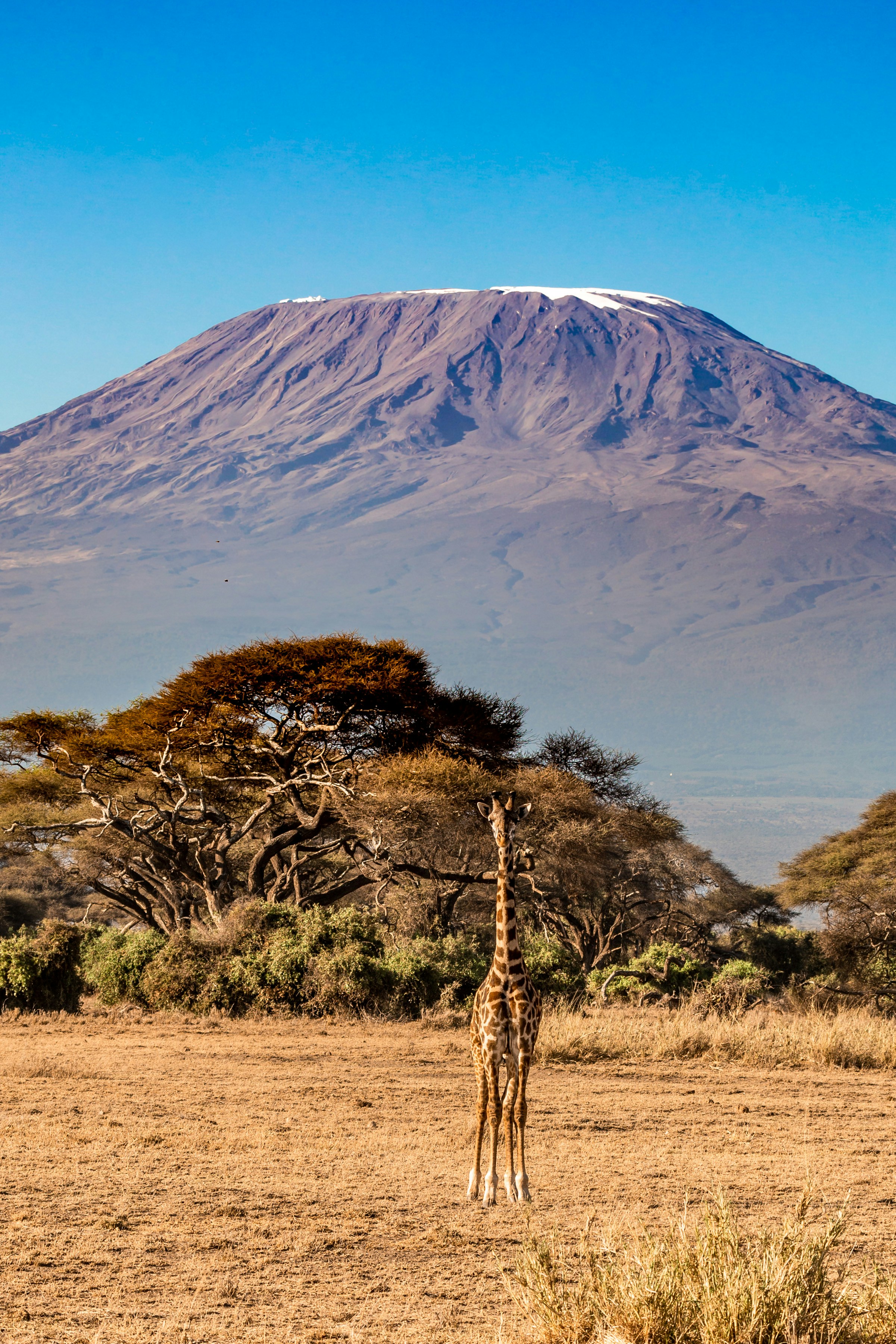
"The iconic silhouette of Mount Kilimanjaro dominates the skyline."
Plan Your Amboseli Safari
Get a custom itinerary, pricing, and availability within 24 hours.
Chat on WhatsApp Check latest Amboseli hotel dealsPark Entry Fees
Amboseli National Park has a tiered fee structure based on residency status. Entry fees are subject to seasonal changes.
| Category | Resident (KSH) | Non-Resident (USD) |
|---|---|---|
| Adults | KSH 1,000 | $100 |
| Children / Students | KSH 500 | $35 |
*Proof of ID required for residents.
Where to Stay
Amboseli Serena Safari Lodge
Luxury stay with views of Kilimanjaro.
From $350 per nightOl Tukai Lodge
Located in the heart of the park.
From $300 per nightKWS Self-Catering
Simba Cottages and Public Campsites.
From KSH 2,000Kilima Safari Camp
Tented luxury near the Kimana Gate.
From $220 per nightBest Time to Visit
Dry Season (June – October)
Water becomes scarce, forcing animals to gather around permanent swamps. This is widely considered the best time for spotting elephants and predators.
Short Dry Season (January – February)
Excellent for photography. Vegetation is thinner, and animals are highly visible across the plains.
Rainy Seasons (March – May & Oct – Dec)
Amboseli becomes greener and birdlife increases. Migratory birds arrive in large numbers, making it a paradise for birdwatchers.
Photography Tips
- Dawn: Best Kilimanjaro views before clouds form.
- Lens: Use a telephoto lens (200–400mm) for wildlife.
- Angle: Wide-angle lens for dramatic silhouettes.
- Light: Golden hour produces the most dramatic colors.

Amboseli vs Maasai Mara
| Feature | Amboseli | Maasai Mara |
|---|---|---|
| Fame | Elephants & Kilimanjaro | Great Migration & Big Cats |
| Landscape | Wetlands & Saline Plains | Rolling Grasslands |
| Photo Opp | Kilimanjaro Backdrops | Action & Predator Density |
Frequently Asked Questions
Yes, Amboseli is one of Kenya’s best parks for guaranteed close-up elephant sightings and unbeatable dramatic vistas of Mount Kilimanjaro.
Safari packages typically range between $200 and $600 per day. This depends heavily on whether you choose luxury lodges or budget campsites, as well as your transport preference (road vs. flight safari).
Amboseli is roughly 230 kilometers from Nairobi. Driving takes about 4 to 5 hours along smooth tarmac, branching off at either Namanga or Emali town.
Safari Packages
Combine Amboseli with Tsavo West, Lake Nakuru, or the Maasai Mara. Typical packages include guided game drives, cultural visits, and professional photography experiences.