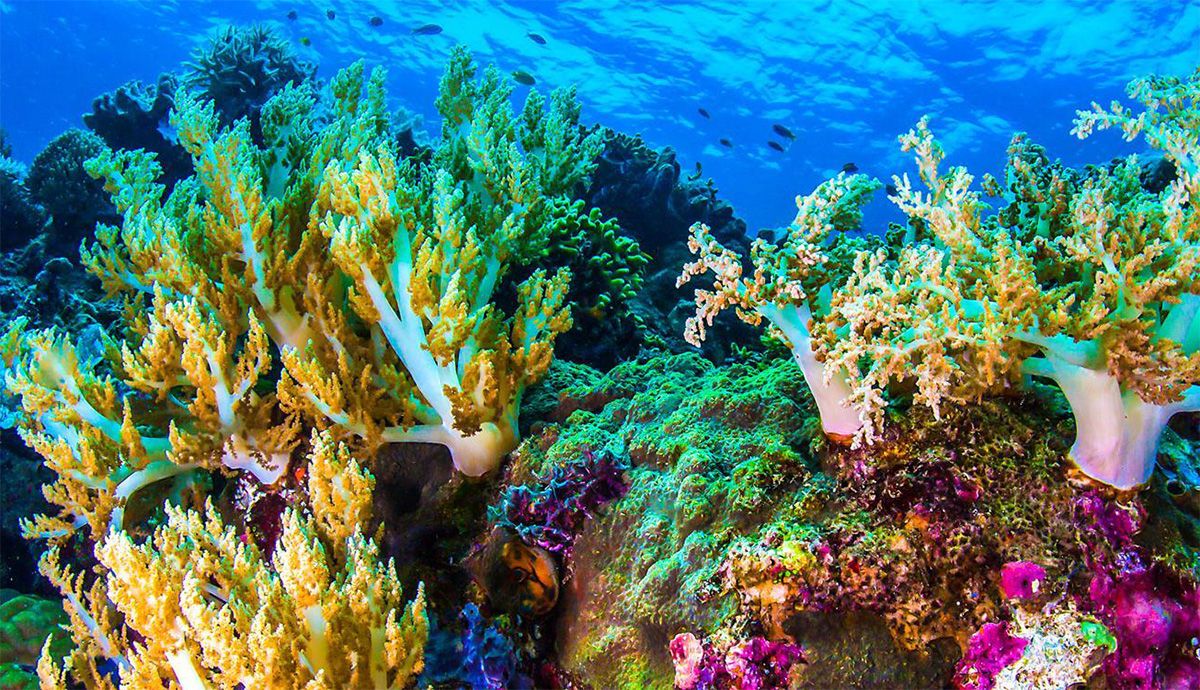
1. The Kaya Kinondo Sacred Threshold
Hidden away from the dazzling shoreline of Galu Beach lies a completely different universe. **Kaya Kinondo** is not a standard tourist park; it is an ancestral botanical fortress. As a protected UNESCO World Heritage site, this ancient canopy rainforest remains a strictly guarded sacred site for the local Digo people. To walk beneath these millennial trees is to step into a natural living cathedral of spiritual security.
Cultural Protocol Directive
You cannot enter Kaya Kinondo unaccompanied. Every traveler must bind a traditional black sarong (*Kaniki*) around their waist, and all entry vectors are natively guided by a tribal elder to ensure sacred boundaries are preserved.
2. Chale Island: The Indigenous Mangrove Escape
Further down the coast, accessible only via custom tractor vectors at low tide or speedboats at high tide, lies **Chale Island**. This private tidal ecosystem splits down the center: one half holds a secluded luxury resort footprint, while the rest remains an untouched wild marine mangrove sanctuary.
It serves as a critical nesting zone for endangered green sea turtles and rare colobus monkeys. Navigating deep through these secret channels by stand-up paddleboard or clear kayak provides an intimate isolation that large mainland resort models cannot structurally offer.
3. Local African Sovereignty: The True Origins of the Shirazi Ruins
Deep inside the Funzi Bay matrix sits the quiet settlement of Shirazi. Masked by ancient, sprawling baobabs and thick vines sit crumbling coral-stone moss architectures—remnants of 12th-century Swahili settlements. For decades, colonial-era narratives incorrectly attributed these monumental structures exclusively to foreign Persian or Arab settlers. Modern archaeological science and deep historical reviews have completely turned this old theory on its head.
The Swahili civilization was a completely native, indigenous African development. It grew straight out of the local Bantu-speaking communities who inhabited the coast for centuries before global maritime trade expanded. These early African societies masterfully adapted to their marine environments, pioneering advanced deep-sea maritime fishing techniques and complex ironworking systems.
When global traders sailed in from India, Persia, and the Arabian Peninsula, they encountered highly organized, independent local African merchant networks. The distinct stone towns, open plazas, and elegant coral-porous mosques seen at Shirazi represent a unique, homegrown African architectural style. It was built using native coral rag and local mangrove timber, designed specifically to capture the cooling shifts of the seasonal trade winds.
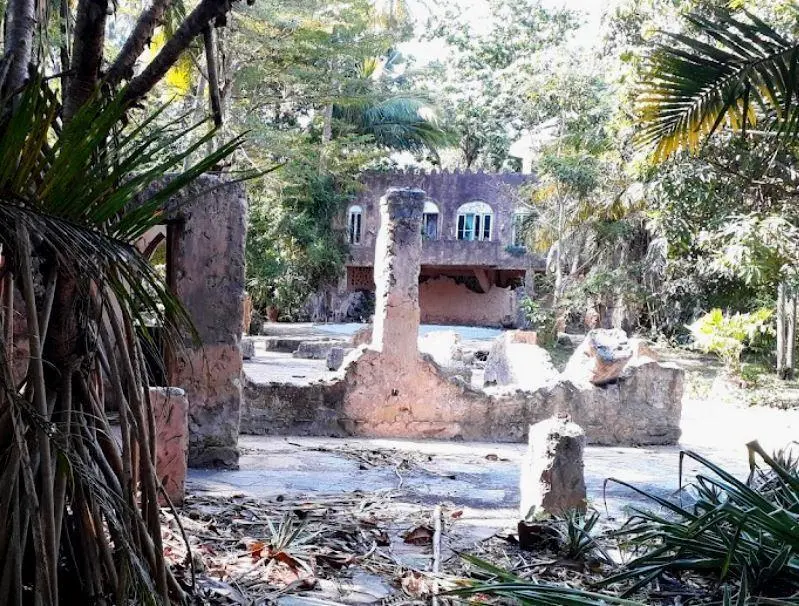
12th-Century Coral Formations
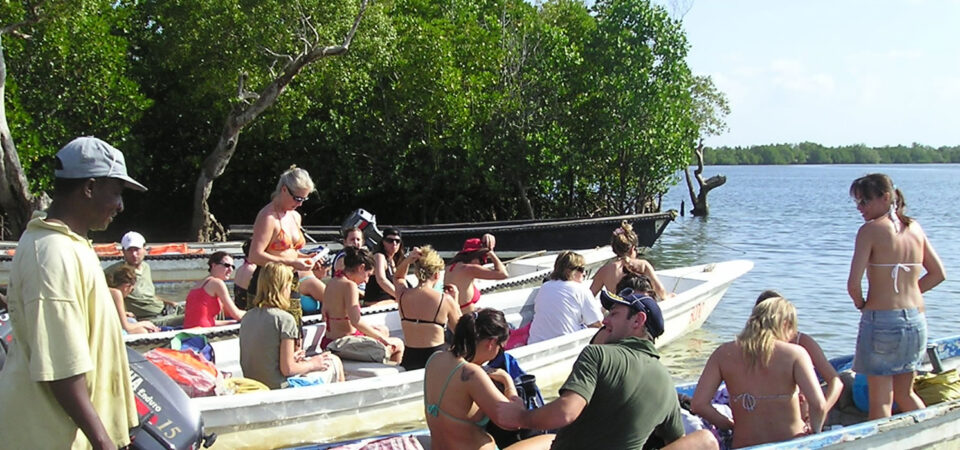
Custom Handcrafted Dhow Channels
Unlike the heavily touristed historical coordinates further up the coastline, exploring Shirazi involves no security boundaries or structural barriers. You navigate the landscape alongside a local village guide, tracing ancient tomb details, studying original mosque orientations, and absorbing oral histories that have been kept intact natively for generations.
4. Elite Boutique Hideaways
We isolate and rank coastal sanctuaries that refuse massive group booking loops:
Kinondo Kwetu
Absolute PrivacyA high-spec private estate situated on a quiet stretch of Galu. Zero external tracking footprint, personalized horseback coastal routes, and deep community integration models.
Verify Seclusion Availability →The Funzi Keys
Estuary LuxuryTucked on a private sand spit deep in Funzi Bay. Unmatched access vectors to mangrove dolphin routes, dynamic sandbar dining arrays, and premium eco-responsible design profiles.
Verify Seclusion Availability →Seeking Absolute Cultural Seclusion?
Let our expert cultural desk engineer custom, off-the-grid Swahili itineraries built safely around local community stewardship.
Initiate Sanctuary Planning