Introduction
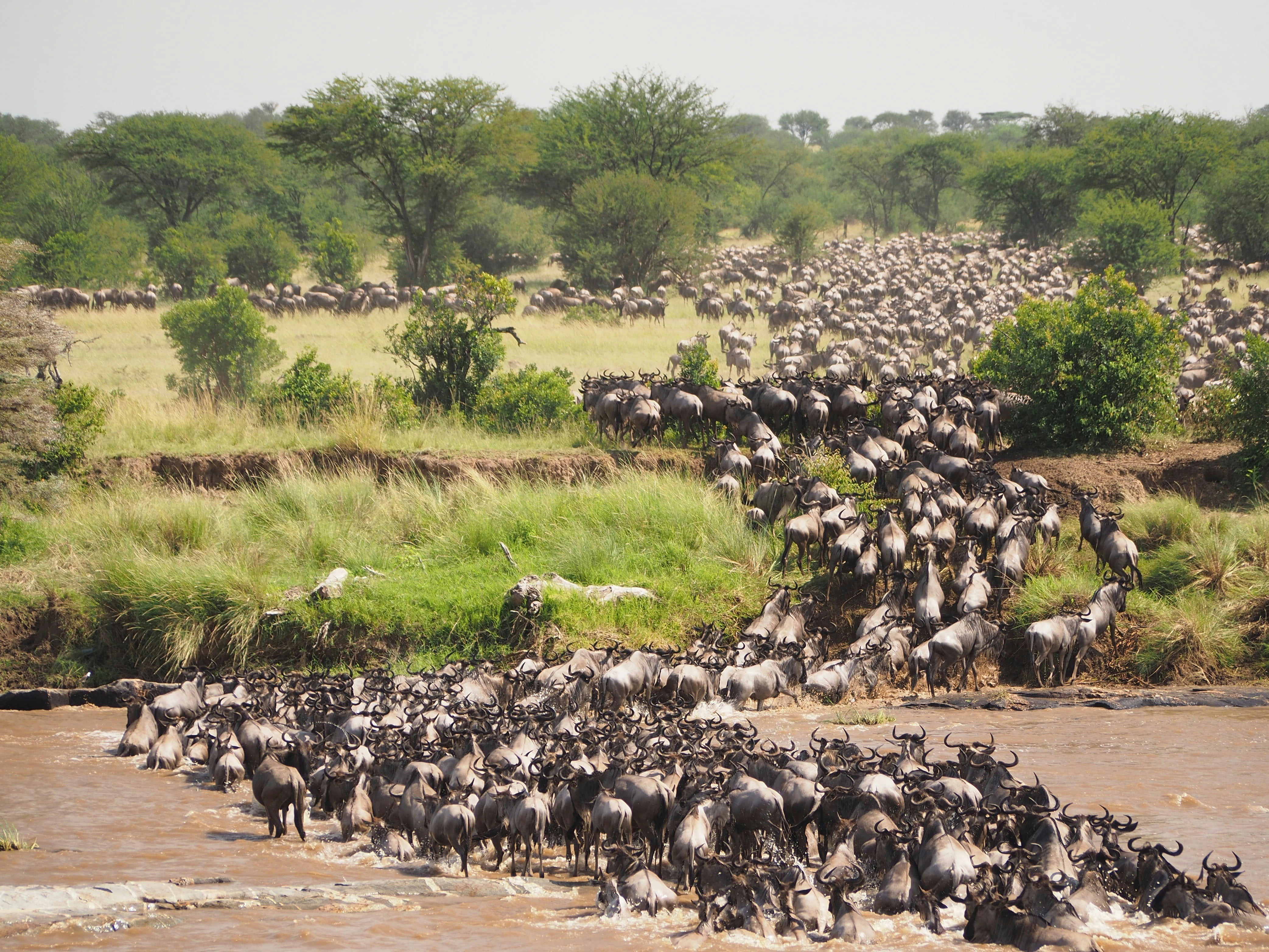
The Great Migration is a breathtaking annual spectacle where millions of wildebeest, zebras, and gazelles traverse the Serengeti-Mara ecosystem in search of fresh grazing. This incredible journey attracts wildlife enthusiasts, photographers, and adventurers from across the globe.
Current Herd Status: The Northwest Push
As of June 2026, massive vanguard columns are gathering speed across the Northwestern Serengeti, pushing directly toward the Kenyan border. Early arrivals are establishing positions near vital river approach boundaries.
Timing the Migration Circuit
The movement maps cleanly to biological drivers, shifting coordinates dynamically based on regional rain patterns:
Calving Fields
Southern Serengeti ecosystem. High predator activities and critical birth-cycle milestones unfold daily.
The Northwest Push
Mass herds assemble, charging northwest across plains, navigating early river crossings with surging force.
The Maasai Mara Peak
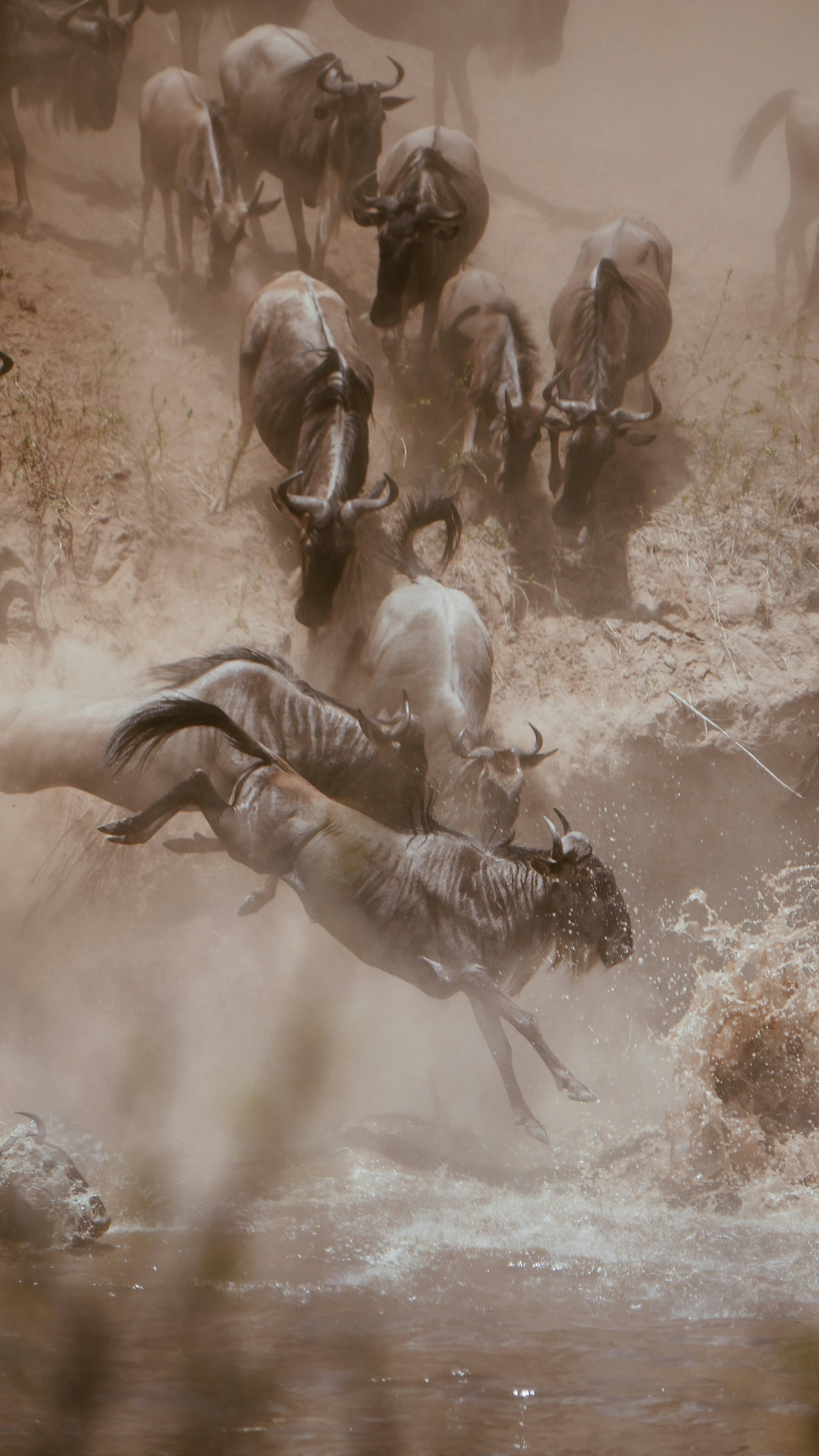
The legendary standard. Prime river crossings at the Mara River bring high-stakes drama with resident crocodiles.
The Return Circuit
Herds shift vectors, following rain scents backward into Tanzania's open landscape to restart the cycle.
Best Locations in Kenya
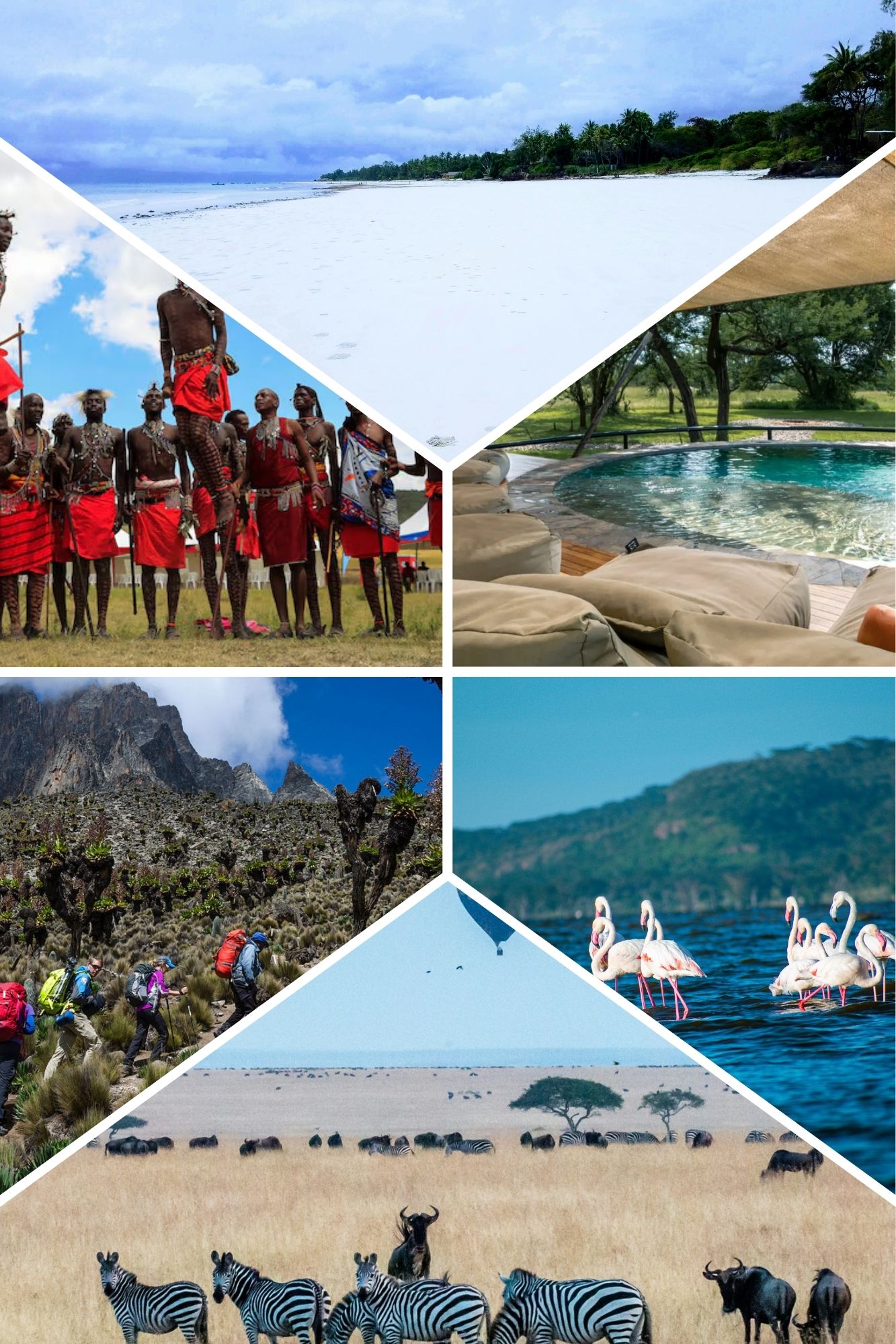
The Maasai Mara National Reserve offers unrivaled, premium vintage points for intercepting the passing herds:
River crossings at the Mara River—the absolute ultimate hotspot for wildlife photography.
#01 Core SpotThe sweeping open savannahs—engineered for endless, cinematic horizons of migrating columns.
#02 Panorama VantageOutlying Community Conservancies—blend local cultural heritage with elite wildlife privacy.
#03 Insider ChoiceExpert Safari Logistics
- ✓Book Far in Advance: Luxury lodges and private camp capacities peak rapidly over 12 months early.
- ✓Prioritize Professional Trackers: Partnering with experienced native guides scales tracking accuracy exponentially.
- ✓Optical Optimization: Bring high-index binoculars and clean telephoto focal length lenses (300mm+ recommended).
- ✓Ethical Proximity: Keep absolute safety clearances; never cut off animal run-lines or interrupt river approaches.
Conclusion
Witnessing the Great Migration is a transformative moment that redefines nature travel. Armed with clean scheduling, strategic destination management, and an elite tracking partner, your safari experience can be safe, unhurried, and genuinely extraordinary.